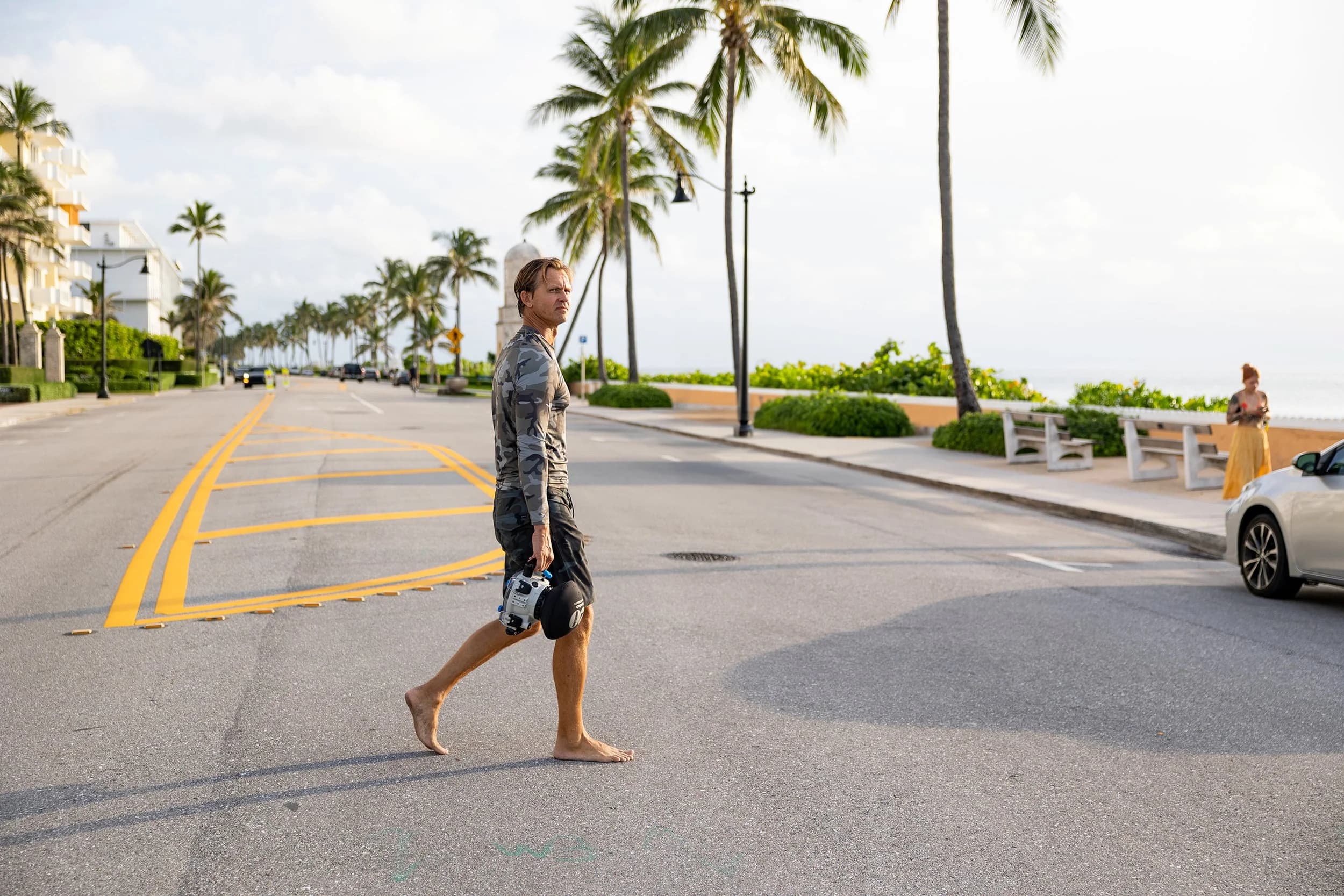
From Paying Contractors for Everything to Building It All Himself
A founder who had never written code rebuilt his company's website, built a custom CRM, deployed five AI agents, and cut $20K/month in contractor costs -- in five months.


Industry
Microtransit / Rideshare
Location
Naples, FL
Team Size
11-50 employees
Founded
2016
$240K+
Saved Per Year
In eliminated contractors, cancelled software, and recovered capacity
5 months
To Self-Sufficient
From first session to building production tools independently
5
AI Agents Running
Automating LinkedIn, CRM workflows, and daily operations
Zero
Prior Tech Experience
Mike had never written code or built software before OneWave

The Problem
Mike Trombino founded Slidr in 2016 -- a microtransit and rideshare company based in Naples, Florida, running electric vehicle fleets for communities, campuses, and events. The business was growing. The problem was everything around it.
Mike had never coded, never built a website, never touched a CRM from the inside. Every digital need went to a contractor. Website update? Write a check. New marketing materials? Write a check. CRM customization? Another check. Blog post? Hire someone. The 1099s were stacking up, and the output still didn't feel like his company.
Between website vendors, CRM subscriptions, graphic design contractors, and marketing freelancers, Slidr was spending over $20,000 a month on capabilities Mike wished he could own.
How It Happened
Five months from never having coded to running five AI agents and building production software.
November 2025
The Starting Point
Mike was running a growing microtransit company but paying contractors for nearly everything -- website updates, CRM, graphic design, marketing content. He'd never written a line of code or built anything technical himself. Every change required a vendor and a check.
Nov - Dec 2025
Claude Chat + CRM Integration
We started by setting Mike up with Claude Chat connected to his Close.com CRM -- giving him AI-powered access to his own sales data and workflows before Christmas. That first integration showed him what was possible. Once he saw that AI could actually work with his business, not just beside it, the contractors started looking optional.
Jan - Feb 2026
Cowork and Code Deployment
We moved Mike into Claude Cowork for collaborative work and set him up with Claude Code for building and deploying real software. This was the leap from using AI for conversation to using it as a development tool. Mike went from asking questions to shipping code.
Feb - March 2026
The Website Rebuild
Mike rebuilt the entire Slidr website himself. Not a template swap -- a ground-up rebuild. A founder who had never touched frontend code shipped a production site for his company. The agency he'd been paying became unnecessary overnight.
March 2026
Taking Off on His Own
This is where Mike stopped needing us for the day-to-day. He set up OpenClaw -- an open-source AI agent framework -- and started running his own autonomous agents. LinkedIn outreach, CRM automations, content workflows. Five agents running, all configured and managed by Mike himself.
March - April 2026
CRM and Content
Mike built a custom CRM tailored to how Slidr actually operates, replacing the off-the-shelf tools he'd been forcing into shape. He started publishing blog posts and LinkedIn content consistently -- things he'd always wanted to do but never had the bandwidth or the budget.
April 2026
Claude Managed Agents and Voice Dispatch
Now Mike is working with Anthropic's new Claude Managed Agents platform -- cloud-hosted AI agents that run autonomously in secure environments. His latest project: an AI-powered voice agent for Slidr's dispatch system. He's not just saving money anymore. He's building product capabilities that didn't exist five months ago.

What Changed
Mike didn't just cut costs. He took ownership of capabilities his company had always outsourced.
Cut
Website agency/contractors
Rebuilt the entire site himself
CRM software subscriptions
Replaced with a custom-built CRM
Graphic design contractors
Handled in-house with AI tools
Marketing 1099 contractors
Mike now creates his own content
$20K+/month in combined costs
Built by Mike
All built with Claude -- zero prior coding experience

Why It Matters
The $240K in annual savings gets attention, but the real shift is harder to put a number on. Five months ago, every improvement to Slidr's digital presence required finding a contractor, writing a scope, waiting for delivery, and hoping it matched the vision. Now Mike just builds it.
He's writing the blog posts that explain his industry. He's publishing LinkedIn content that builds his brand. He's running AI agents that handle the repetitive work his team used to do manually. And he's building a voice agent for dispatch -- a product feature, not just an internal tool.
That's the difference between saving money and changing what's possible. Mike didn't just cut expenses. He became a builder.
Frequently Asked Questions
Common questions about AI adoption for founders and small businesses.
Can a founder with no coding experience really build a website with AI?
Yes -- and Mike is proof. He had never written a line of code before working with OneWave AI. Using Claude Code, he rebuilt the entire Slidr website from scratch. Not a template swap, but a ground-up production site for his company. The transition from zero technical experience to shipping a live website took about three months within the overall five-month engagement.
How much can AI actually save on contractor and software costs?
Slidr eliminated over $240K per year in combined costs. That includes website agency fees, CRM software subscriptions, graphic design contractors, and marketing freelancers. The savings came from Mike building those capabilities himself with AI tools rather than writing checks to vendors every month. The $20K+/month he was spending became close to zero for those categories.
What are AI agents and how did Slidr use them for business operations?
AI agents are autonomous programs that execute tasks on their own -- things like outreach, data entry, and content scheduling. Mike deployed 5 AI agents using OpenClaw, an open-source agent framework, and later Claude Managed Agents from Anthropic. His agents handle LinkedIn outreach, CRM workflow automations, content creation pipelines, and daily operational tasks. He configured and manages all of them himself.
How long does it take to go from zero to self-sufficient with AI tools?
For Mike, it took five months. The progression was intentional: he started with Claude Chat connected to his Close.com CRM in November 2025, moved to Claude Cowork for collaborative building, then Claude Code for deploying real software. By March 2026 he was running autonomous agents independently. By April he was building an AI-powered voice dispatch agent on Anthropic's Managed Agents platform -- capabilities that did not exist five months earlier.
How does an AI-built custom CRM compare to off-the-shelf CRM software?
A custom-built CRM is designed around how your business actually works instead of forcing your processes into someone else's software. Mike replaced his off-the-shelf CRM subscriptions with a system tailored to Slidr's microtransit operations. It integrates with his Close.com data and his AI agent workflows, handles the specific fields and automations his team needs, and costs a fraction of what he was paying for tools that never quite fit.
Your Team Can Do This Too
We help founders and small businesses go from paying contractors for everything to building what they need themselves. It starts with a conversation.